My days at the land of madly creative people..


Divya Bharathi D
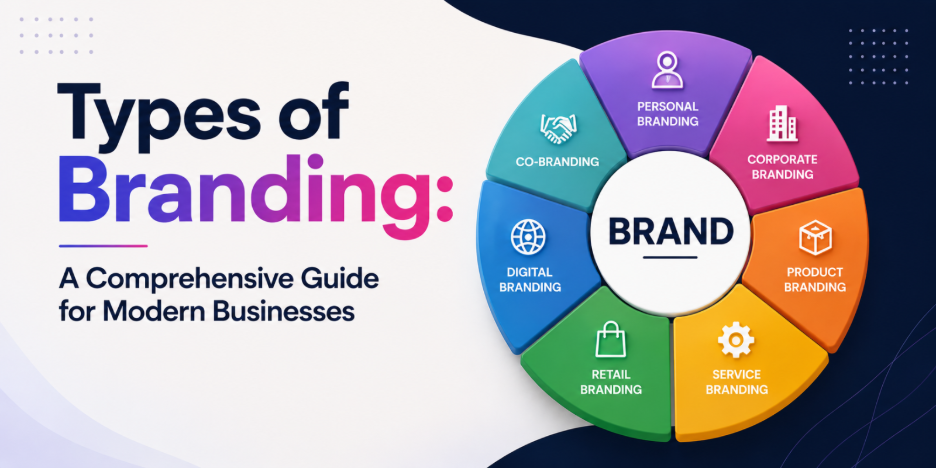
Branding is the essence of a company and goes beyond a simple logo or memorable tagline. It's how a company presents itself to the world and connects emotionally with its audience. Understanding the different types of branding can help businesses create a strong identity, resonate with their target market, and build long-term loyalty.
In this blog, we'll explore the significant types of branding that shape businesses today and how each type plays a unique role in driving growth and recognition.
Personal branding focuses on individuals, typically entrepreneurs, influencers, artists, or thought leaders. It's about crafting an authentic public image that reflects one's values, expertise, and personality. Ideal for consultants, freelancers, public speakers, or anyone building a career around personal credibility.
Example: Think of Kriti Sanon or Katrina Kaif, people whose personal brand carries influence beyond the companies they're associated with.
It defines a company's identity, which encompasses everything from visual design and tone of voice to core values and company culture. Best for companies that want to create a unified presence across all products, services, and departments.
Example: Apple is known for innovation, sleek design, and premium customer experience, all part of its corporate branding.
Product branding is the process of giving a product its own identity through naming, packaging, design, and messaging. Great for businesses that sell multiple products or want to create standalone product lines.
Example: Coca-Cola and Sprite are both under the same company, but each has its own distinct branding and loyal audience.
Service branding highlights the unique experience a customer feels. It often focuses on reliability, customer service, or innovation in delivery. Useful for hospitality, tech support, logistics, or any business where service quality is a key differentiator.
Example: The brand FedEx is recognized for its exceptional service and customer support.
Retail branding blends in-store experience, design, and customer interaction to build a recognizable brand environment. Ideal for businesses operating in physical stores or brands that rely on in-store customer experiences.
Example: Starbucks doesn't just sell coffee; it sells an experience, from its cozy interior design to personalized cups.
This type of branding builds a company's digital footprint through websites, social media, digital ads, and online customer interactions when a business wants to go digital.
Example: SUGAR Cosmetics built its entire brand online, fueled by digital content, influencer culture and community engagement.
Co-branding is when two or more brands collaborate on a product, campaign, or service to leverage each other's reputation and audience. Effective when two brands share a familiar audience or goal and want to increase reach and credibility.
Example: Vilvah and Annapoorna Coimbatore-based brands' collaboration featuring nostalgic, locally inspired, and natural skincare lip balm is a classic example of successful co-branding.
Employer branding defines how a company positions itself as a desirable place to work. It's targeted at attracting and preserving talent. Crucial for businesses looking to hire, particularly in competitive industries.
Example: Google invest heavily in showcasing its culture, benefits, and employee stories.
This approach aligns a brand with social causes or cultural values to connect emotionally with its audience. Powerful for purpose-driven brands or those appealing to socially conscious consumers.
Example: The Body Shop India advocates for ethical beauty, sustainability and social causes while staying deeply aligned with its brand values.
Geographic branding promotes a city, region, or country as a brand, often for tourism or local business identity, to highlight its origin as a unique selling point.
Example: "Made in Kanchipuram" evokes a sense of heritage, craftsmanship and timeless luxury through its world-famous silk weaving traditions.

Each type of branding serves a distinct purpose and can be a powerful tool when used strategically. Whether you are building a personal brand, scaling a product line, or creating a standout customer experience, the right branding approach can elevate your business and make a lasting impact.
If you are not sure where to start, begin by identifying your business goals, your target audience, and the messaging that resonates with your niche. Branding is not just a visual exercise; it's a long-term investment in how people perceive, trust, and remember your business.